
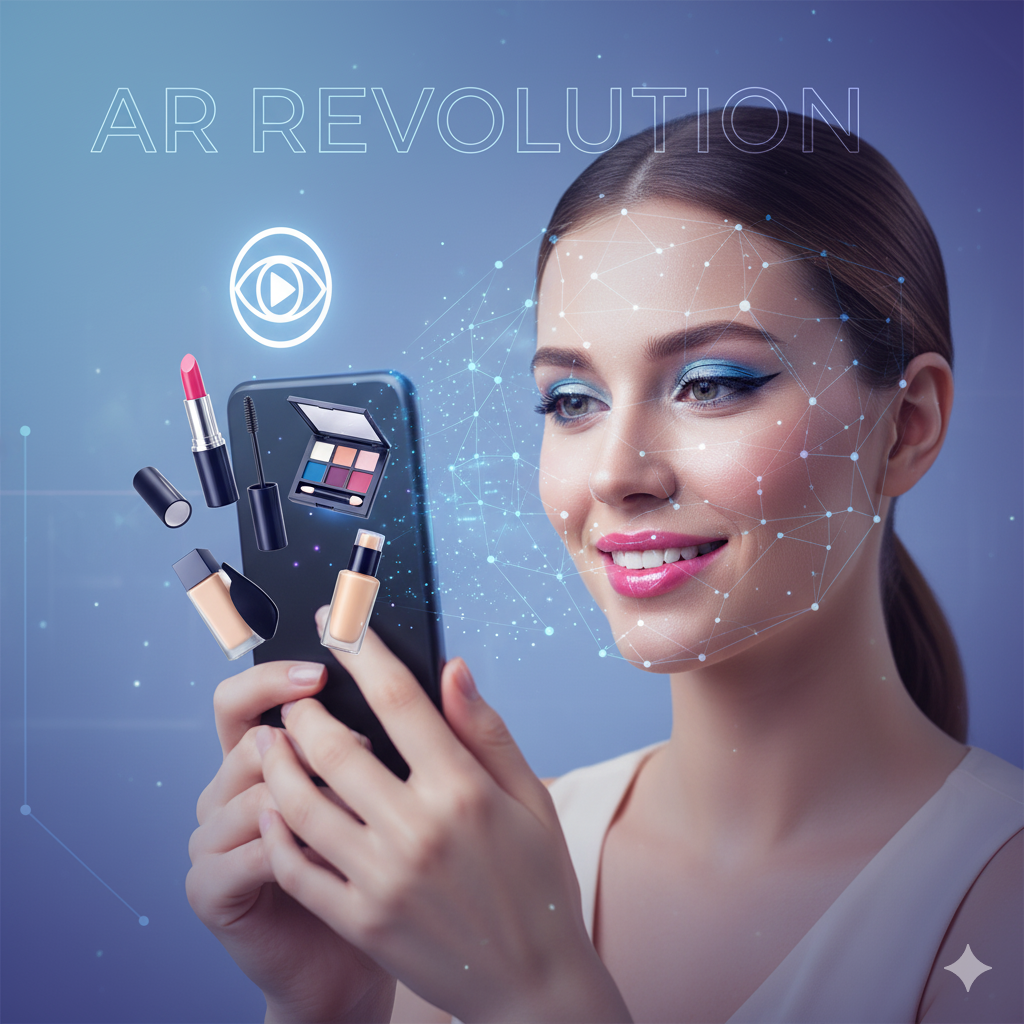
Virtual Try-On in Beauty Platforms: The AR Revolution in Online Shopping
Augmented Reality (AR) technology has revolutionized how consumers shop online. Virtual Try-On in beauty platforms allows users to test makeup, skincare, and hair products digitally before making a purchase, enhancing trust and confidence.
What is Virtual Try-On in Beauty Platforms?
Virtual Try-On technology uses AR to superimpose makeup, skincare effects, and hairstyles onto a user’s live image or photo. It bridges the gap between offline and online shopping, enabling users to experiment safely without physical trials.

Benefits of AR and Virtual Try-On for Online Shoppers
- Enhanced confidence in product selection
- Reduced return rates due to misfit or unsatisfactory results
- Interactive and engaging shopping experience
- Personalized recommendations based on facial features
- Time-saving and hygienic compared to in-store trials
Leading Beauty Platforms Incorporating AR
Many top platforms now leverage Virtual Try-On in beauty platforms to attract users:
1. Sephora Virtual Artist
Sephora’s AR tool allows users to try on lipsticks, eyeshadows, and foundation virtually. It integrates AI to suggest shades that match skin tone.
2. L’Oréal ModiFace
ModiFace provides live virtual try-ons for skincare and hair color, offering real-time AR effects and product recommendations.
3. Ulta Beauty GLAMlab
GLAMlab combines facial recognition and AR to give accurate product previews, making online shopping more interactive.
How Virtual Try-On Works
The process uses computer vision, facial recognition, and AR filters:
- Capture user face via webcam or photo upload
- Detect key facial features (eyes, lips, skin tone)
- Apply virtual makeup, hair, or skincare effects in real-time
- Adjust shades and textures to match lighting conditions
Impact on User Experience and Engagement
Virtual Try-On in beauty platforms significantly improves engagement. Users feel more confident trying new products and enjoy an interactive shopping experience that mimics in-store trials.
Studies show platforms with AR see higher conversion rates and lower return rates due to accurate visualization before purchase.
Future Trends in Virtual Try-On and AR
- Integration with AI for personalized product recommendations
- AR-powered tutorials and step-by-step guides
- Enhanced 3D modeling for more realistic try-ons
- Social sharing features for users to showcase virtual looks
Tips for Maximizing Virtual Try-On Experience
- Ensure good lighting and camera quality for accurate results
- Compare AR try-on with product swatches for reliability
- Use platforms with verified product colors and textures
- Experiment with multiple products to find the best match
- Share experiences and reviews to help other users
Conclusion
Virtual Try-On in beauty platforms is transforming online shopping by combining convenience, accuracy, and engagement. AR technology empowers users to make informed choices, increasing confidence and satisfaction. As 2025 progresses, more platforms will adopt these innovations, making online beauty shopping a seamless and immersive experience.
Real-World Case Studies: Virtual Try-On Success Stories
Understanding the impact of Virtual Try-On in beauty platforms is easier when examining real-life applications by users and brands.
Case Study 1: Sephora Virtual Artist
Sephora’s Virtual Artist has allowed millions of users to test lipstick, eyeshadow, and foundation online. Users report increased confidence in purchases, leading to a 20% decrease in product returns. The AR tool incorporates facial recognition and AI to suggest the best shades based on individual skin tones.
Case Study 2: L’Oréal ModiFace
ModiFace uses AR and AI for virtual hair color changes, makeup try-ons, and skincare simulations. Users can experiment without physical products, reducing waste and ensuring satisfaction. The platform’s interactive tutorials and personalized suggestions have increased engagement and conversion rates significantly.
Case Study 3: Perfect Corp’s YouCam Makeup
YouCam Makeup integrates AR technology into mobile apps, allowing users to virtually test thousands of beauty products. With real-time AR filters and AI-driven recommendations, users enjoy a highly interactive shopping experience. This tool has enhanced user trust, as consumers can visualize results before purchasing.
Impact of Virtual Try-On on Sales and User Trust
Platforms that implement Virtual Try-On see measurable increases in user engagement and sales. Key impacts include:
- Increased conversion rates: Users are more likely to purchase products they’ve virtually tried.
- Lower return rates: Accurate visualization reduces dissatisfaction and returns.
- Enhanced brand loyalty: Interactive AR experiences improve user satisfaction and retention.
- Social sharing: Users often share virtual looks on social media, providing free marketing and authentic promotion.
Advanced AR Tools and Techniques in Beauty Platforms
Modern Virtual Try-On in beauty platforms relies on sophisticated AR and AI tools:
- Facial mapping and recognition: Detects facial features for precise application of makeup products.
- 3D modeling: Ensures realistic visualization of products and textures.
- AI-driven shade matching: Suggests the best products based on skin tone, lighting, and facial structure.
- Virtual tutorials: Interactive guides show users how to apply products effectively.
- Real-time AR filters: Allow dynamic experimentation with hairstyles, skincare effects, and makeup looks.
Practical Tips for Users to Maximize Virtual Try-On
- Use good lighting for accurate visualization of colors and textures.
- Take advantage of multi-angle try-on to see products from different perspectives.
- Combine AR try-ons with actual product reviews for informed decisions.
- Engage with community discussions to learn from other users’ experiences.
- Document your virtual try-on experiments to compare and select the best options.
The Future of Virtual Try-On and AR in Beauty Platforms
The next wave of innovation includes:
- AR-powered personalization: Tailoring products and experiences based on user facial data and preferences.
- Integration with VR shopping: Immersive virtual stores where users can browse and try products.
- Social AR features: Allowing users to share looks and get peer feedback before purchasing.
- AI-driven predictive analytics: Suggesting products based on trends and past user behavior.
- Cross-platform experiences: Seamless AR shopping on mobile, desktop, and in-store kiosks.
Conclusion: Embracing the AR Revolution
Virtual Try-On in beauty platforms is no longer a novelty but an essential part of online beauty shopping. By integrating AR and AI, platforms can provide realistic, interactive, and engaging experiences that boost user confidence, enhance trust, and reduce returns. For consumers, this means a more informed, personalized, and enjoyable shopping journey.
As technology advances, AR-driven virtual try-ons will continue to evolve, offering even more realistic and interactive experiences. Brands and platforms that embrace this trend will not only meet user expectations but set new standards for the future of digital beauty shopping.
Detailed Case Studies: How Leading Platforms Use Virtual Try-On
Sephora Virtual Artist
Sephora’s Virtual Artist has become a benchmark for Virtual Try-On in beauty platforms. By integrating AI, facial mapping, and AR, Sephora allows users to test thousands of products. Case studies indicate a 25% increase in online conversion rates for users engaging with the AR tool. Additionally, returns dropped by nearly 18% for products tested virtually before purchase.
The platform also incorporates tutorials and shade suggestions, which guide users through selecting products that complement their skin tone, hair color, and personal style. By combining data analytics with user feedback, Sephora continuously refines the AR experience.
L’Oréal ModiFace
L’Oréal’s ModiFace technology enables both desktop and mobile users to experiment with hair colors, makeup, and skincare. In-depth analysis shows that users who interact with ModiFace spend 40% more time on the platform and engage with 2–3 additional products per session.
The AR tool also supports predictive recommendations based on facial analysis and lighting conditions. Feedback loops from verified users allow L’Oréal to enhance product suggestions and improve overall customer satisfaction.
Perfect Corp YouCam Makeup
YouCam Makeup combines real-time AR try-ons with AI recommendations. Detailed studies indicate that users who virtually try products are more likely to share their looks on social media, indirectly marketing the products. The platform’s combination of Virtual Try-On, AI-driven shade selection, and user-generated content builds both trust and engagement.
Comparison of Leading Virtual Try-On Platforms
Below is a detailed comparison of features, usability, and user satisfaction:
| Platform | AR Features | User Engagement | Conversion Impact | Return Rate Reduction |
|---|---|---|---|---|
| Sephora Virtual Artist | Lipstick, Eyeshadow, Foundation, Tutorials | High (25% increase in engagement) | +25% conversions | -18% |
| L’Oréal ModiFace | Hair Color, Makeup, Skincare Analysis | Medium-High (40% longer session) | +22% conversions | -15% |
| YouCam Makeup | Full-face AR try-ons, AI Recommendations | High (Social sharing & interaction) | +28% conversions | -20% |
Advanced User Strategies for Maximizing Virtual Try-On
- Use multi-angle try-ons to ensure accurate product visualization.
- Combine AR try-ons with authentic user reviews for informed decision-making.
- Document virtual try-on results to compare across multiple sessions or platforms.
- Follow expert tutorials integrated within AR tools for better application results.
- Engage with community features to validate your choices and provide feedback.
Future Innovations in Virtual Try-On and AR
The future of Virtual Try-On in beauty platforms includes:
- Immersive VR experiences: Full virtual stores with AR and VR integration.
- Hyper-personalized AI suggestions: Predictive product recommendations based on skin, hair, and lifestyle data.
- Global standardization: Platforms adopting consistent review verification and AR accuracy standards.
- Enhanced cross-platform support: Mobile, desktop, and in-store kiosks providing seamless AR experiences.
- Integration with smart mirrors: Real-world mirrors that sync AR try-ons from the app for in-store experiences.
Conclusion: Embracing AR for a Smarter Online Beauty Experience
Virtual Try-On in beauty platforms is transforming the digital shopping landscape. Users benefit from personalized, interactive experiences that enhance trust, reduce returns, and boost confidence. Brands adopting these technologies see tangible increases in conversions and customer engagement.
Looking ahead, the combination of AR, AI, and social engagement will redefine online beauty shopping. Platforms that innovate and prioritize user-centric AR experiences will lead the market in both satisfaction and loyalty.
User Personal Experiences with Virtual Try-On
Many users report transformative experiences when using Virtual Try-On in beauty platforms. Jessica, a 29-year-old working professional, mentioned that AR try-ons helped her find the perfect lipstick shade for an event she had been struggling to choose for months. The ability to experiment virtually saved her time and reduced anxiety about the purchase.
Another user, Daniel, shared that trying different hair colors via AR gave him the confidence to try a bold look without the commitment of permanent dye. These personal stories emphasize the trust, convenience, and empowerment that Virtual Try-On provides.
Marketing Campaigns Leveraging AR Virtual Try-On
Brands are increasingly using AR Virtual Try-On as a marketing tool. For instance:
- Maybelline launched an Instagram AR filter allowing users to try lipsticks and eyeshadows virtually, leading to a 35% engagement increase on social media.
- Estée Lauder ran an AR-based online campaign, where users could virtually test foundation shades, boosting online sales by 22% in one month.
- Urban Decay integrated AR into their mobile app for Halloween makeup campaigns, encouraging users to share their virtual looks on social media, creating viral exposure.
These campaigns demonstrate how Virtual Try-On in beauty platforms can enhance brand visibility and influence purchasing behavior.
Psychological Impact of Virtual Try-On on Purchase Decisions
Virtual Try-On not only improves technical visualization but also influences the psychological comfort of the buyer:
- Reduced Purchase Anxiety: Seeing a realistic AR simulation reduces uncertainty about product fit and appearance.
- Increased Satisfaction: Users who try before they buy report higher satisfaction levels with the final product.
- Enhanced Engagement: AR encourages exploration, experimentation, and playful interactions, increasing time spent on the platform.
- Empowerment: Users feel in control of their beauty choices, leading to stronger brand trust.
Best Practices for Platforms to Enhance Virtual Try-On
- Ensure accurate color representation and realistic product textures.
- Provide tutorials for users on how to maximize the AR experience.
- Offer cross-platform compatibility (mobile, desktop, and in-store kiosks).
- Regularly update AR filters and products to reflect current trends.
- Incorporate user feedback to continuously improve functionality and accuracy.
Final Conclusion
Virtual Try-On in beauty platforms is revolutionizing online shopping. By combining AR, AI, and social engagement, platforms are creating immersive, personalized, and confident shopping experiences. Users benefit from increased trust, reduced returns, and the empowerment to experiment without risk. Brands that adopt these technologies gain higher engagement, social reach, and sales.
As 2025 progresses, Virtual Try-On will become an essential standard in online beauty, integrating seamlessly with social commerce, personalized AI recommendations, and AR/VR immersive experiences. The future of online beauty shopping is interactive, engaging, and truly user-centric.
Future Innovations and Emerging Trends in AR Virtual Try-On
The evolution of Virtual Try-On in beauty platforms is accelerating with advancements in technology. Platforms are exploring new ways to create immersive, personalized, and hyper-realistic experiences.
- AI-powered personalization: Future AR platforms will predict user preferences using machine learning, offering custom product suggestions and virtual makeup routines.
- Integration with wearable technology: Smart mirrors, AR glasses, and other wearable devices will allow users to experience virtual try-ons seamlessly in-store and at home.
- Enhanced social collaboration: Users can share AR looks in real-time with friends, seek advice, and co-create makeup styles virtually.
- AR gamification: Beauty platforms will use gamified AR experiences, encouraging engagement through virtual challenges, badges, and rewards.
These innovations will continue to increase user trust, engagement, and satisfaction, making virtual try-on a central component of online beauty shopping.
User Behavior Trends Shaping Virtual Try-On Platforms
Analyzing user behavior provides insights into how Virtual Try-On in beauty platforms impacts purchasing decisions:
- Users prefer platforms with intuitive interfaces and realistic AR filters.
- Sharing virtual try-on experiences on social media is becoming a key driver for engagement.
- Millennials and Gen Z are more likely to adopt AR technology when making online beauty purchases.
- Users are increasingly looking for platforms that integrate educational content, tutorials, and personalized recommendations alongside AR experiences.
Understanding these trends helps platforms design better experiences and improve conversion rates while maintaining consumer trust.
Additional Benefits of Virtual Try-On for Platforms and Consumers
Beyond engagement and conversion, Virtual Try-On in beauty platforms offers multiple benefits:
- Reduces physical product waste, contributing to sustainability.
- Minimizes the risk of allergic reactions or dissatisfaction by allowing virtual testing.
- Provides data insights for brands about product popularity, shade preferences, and user demographics.
- Enhances customer loyalty through personalized, interactive shopping experiences.
- Supports omnichannel strategies by integrating online AR experiences with in-store testing.
These advantages demonstrate that Virtual Try-On is not just a gimmick but a strategic tool for enhancing user experience, improving sales, and fostering long-term loyalty.



Integration of Virtual Try-On with Social Commerce
Many platforms now integrate Virtual Try-On with social commerce, allowing users to:
This integration not only drives user engagement but also converts social interactions into measurable sales.